Turn Your Empty Land Into A High-Performance Industrial Facility
Get approval-ready industrial drawings for authorities and optimised industrial systems for performance.

Shelters Engineering’s 24+ years of industrial design experience in Pakistan showcases efficient factory planning & industrial construction expertise.
Experince
Project Done
At Shelters Engineering, our long-standing involvement in Pakistan’s Industrial construction and design ecosystem ensures long-term stability. We focus on delivering complete factory, warehouse and manufacturing plan solutions across Pakistan.
Our PCATP-certified architects have worked extensively across Pakistan, including Lahore Industrial Zones, Faisalabad Industrial Region, Sialkot Industrial Area, Gujranwala Industrial Zones and Karachi Industrial Areas.
We are licensed by the Pakistan Engineering Council PEC and design every industrial building design system with load calculated RCC and soil-tested foundation planning. Our regulated design system turns your land into a future-ready industrial infrastructure with high productivity.
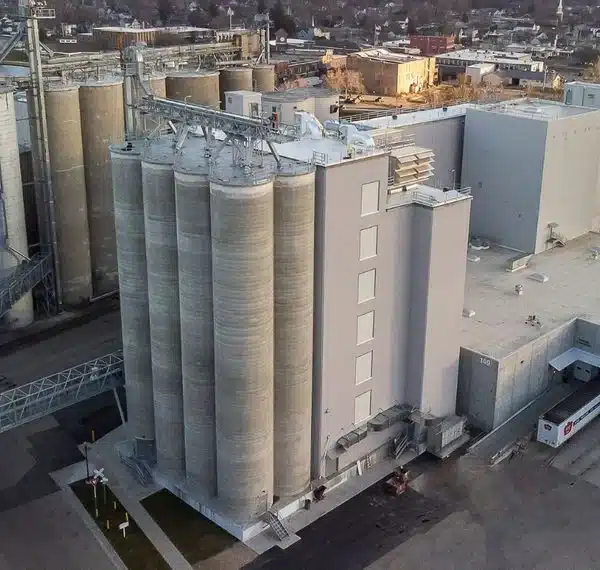
Industrial-Grade Design Workflows For Future-Proof Buildings
Complete industrial eco systems with BIM-based industrial layout modelling and space zoning algorithms for production efficiency.
Industrial process sequencing by applying line balancing design (production sequence optimisation) and fire compartmentalisation design (NFPA aligned).
Designing logistics performance engines using vertical storage optimisation modelling and integrating Warehouse Management System (WMS) layout.
Human-machine circulation mapping and zoning separation modelling (clean vs heavy zones) to ensure full compliance with modern industrial safety.
Engineered production ecosystems designed with structural load stimulation (RCC + steel hybrid modelling) and vibration isolation planning.
Construction-ready, coordinated and approval-compliant technical packages, including architectural execution drawing and structural reinforcement detailing.
Types of Industrial Architect We Design in Pakistan
01
We adapt column grid modulation and setback-driven massing based on the industrial estate bylaws.
02
Complete authority submission drawings and building bye-law coordination (FAR, ground coverage, height restrictions).
03
Passive ventilation systems (cross ventilation) and HVLS fan zoning for indoor air quality and thermal comfort.
04
Reinforced concrete frame (RCC) and local labour-driven constructability detailing to translate designs into on-ground construction.
High-Performance Commercial And Industrial Portfolio
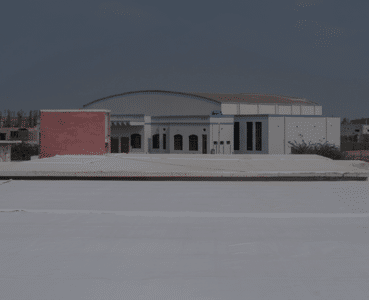
Industrial textile facility intervention project in Manga Mandi.
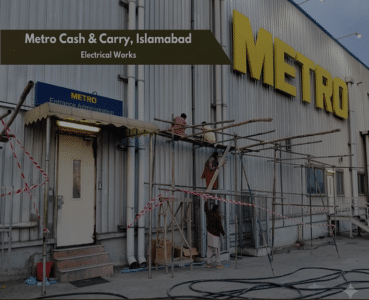
Executed electrical infrastructure work in Islamabad.
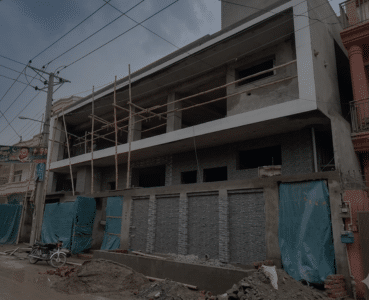
Designed institutional-commercial hybrid structure.
Engineer-led Construction & Design Firm Founded in 2002
Fully integrated delivery model with architecture, engineering, and construction all under one system.
24+ years of real execution experience as a PEC-registered C-2 construction and engineering firm.
Led by Engr. Muhammad Jaffer (CEO – Civil Engineer, UET Lahore) and Engr. Adeel Jaffar (Director – MSc Civil Engineering, NUST).
Integration of production flow with building design and designing heavy loads, machinery and logistics movement.
Real construction feasibility focuses on validating material availability in local markets and budget alignment.
Ensuring every line on the drawing must translate to site reality and every design must support contractor execution.
Eliminating Risks Before Construction Even Starts
Improved Lifecycle Performance With Green Building Techniques
Smart architecture and engineering decisions with natural ventilation pathways to reduce HVAC dependency and daylight optimisation.
Use of low-carbon steel structures and recyclable structural components (especially in PEB systems) for a reduced carbon footprint.
Integrated rainwater harvesting systems for industrial reuse and greywater recycling networks to reduce dependency on municipal water systems.
Orientation planning for maximum solar exposure and electrical systems designed for hybrid energy input.
Reduced internal transportation systems of goods and production bottlenecks with movement efficiency inside the facility.
LEED-aligned design principles were applicable with environmental impact reduction strategies for long-term regulatory compliance.
Fully Compliant with Local, Provincial & Federal Regulatory Frameworks
We work with CDA, LDA, SBCA, MDA and comply with height, FAR (floor area ratio) and setback regulations.
Approved industrial area zoning (IA categories) and full insurance with restrictions on mixed-use development.
Our structural compliance includes load-bearing capacity verification, earthquake-resistant design, and fire safety exits.
Entire submission of architectural drawings (signed by licensed architect), structural drawings (signed by structural engineer) and zoning layout.
Waste disposal planning for industrial operations with fire safety systems aligned with industrial risk levels
Site inspection by PCATP verified engineers and verification of completed drawings vs approved plans.
Each Stage Is Designed To Reduce Risk And Improve Cost Control
We conduct detailed client briefing sessions to understand production goals, capacity and expansion plans.
We develop initial factory or warehouse layout concepts with space zoning (production, storage, loading, utilities) and workflow optimisation.
Fully engineered construction-ready systems with final floor plans, industrial workflow integration into spatial design and circulation design
Submission of drawings to relevant authorities with zoning, FAR compliance documentation, and industrial compliance layouts
Issued for construction (IFC) documents, including MEP system drawings, BOQs, material specifications and technical standards
Ensuring no deviation from approved industrial design, maintaining structural safety standards and monitoring industrial workflow
Ensuring a fully completed and operational industrial facility with final site inspection, quality assurance and final project handover documentation.
Our PCATP architects commonly handle manufacturing plants (textile, food, automotive, pharmaceutical), warehouses, storage facilities, temperature-controlled facilities, logistics, distribution centres, industrial sheds and pre-engineered buildings. We handle both new construction and upgrading existing industrial systems by expanding operational facilities and retrofitting older buildings.
An industry should be designed according to industrial workflow logic, with unit directional material source systems and minimising unnecessary movement of workers and machinery. Strategic machine sequencing in production lines reduces unnecessary movement, and separate zoning for production, storage, and logistics is a must for an efficient industry layout.
The price of industrial architecture design depends upon project size, complexity, and scope. Small industrial shed design typically costs around PKR 80 to 150 per sq ft, medium warehouse or factory costs around PKR 120 to 250 per sq ft, and large industrial facility design costs PKR 200 to 400+ per sq ft.
Hiring a certified architect can definitely help you reduce total project cost as he will implement structural optimisation strategies such as reducing steel and RCC usage, ensuring smart machine replacement and standardised modular design systems for cost saving.
Yes, our architects design expandable modular systems with modular column systems and reversed land space for future construction. We allow businesses to grow without demolition with flexible utility routing (MEP planning for scaling) and phased construction planning (build in stages).
Yes, industry architecture is fundamentally different because of its focus on production flow instead of living comfort. Architects have to consider heavy machinery load considerations, large span structural systems and utility-heavy designs for industry-based architecture.
Yes, smart designs can reduce manpower dependencies and can make each worker more productive per hour. It is possible by implementing efficient material flow and automated storage systems to reduce manual labour. Optimise design layout, walking times, and centralised control systems to reduce supervision needs in industry buildings.
Get approval-ready industrial drawings for authorities and optimised industrial systems for performance.